

CSS|Strategy
The rigid structure created a more continuous scanning path for PrimeScan and was intended to reduce scan interruptions and the subsequent stitching of fragments.
The published case by Polito and Palladino shows a concrete use of rigidly connected scanning references. The key is not to “splint every time”, but to know exactly which error a given step is intended to control.
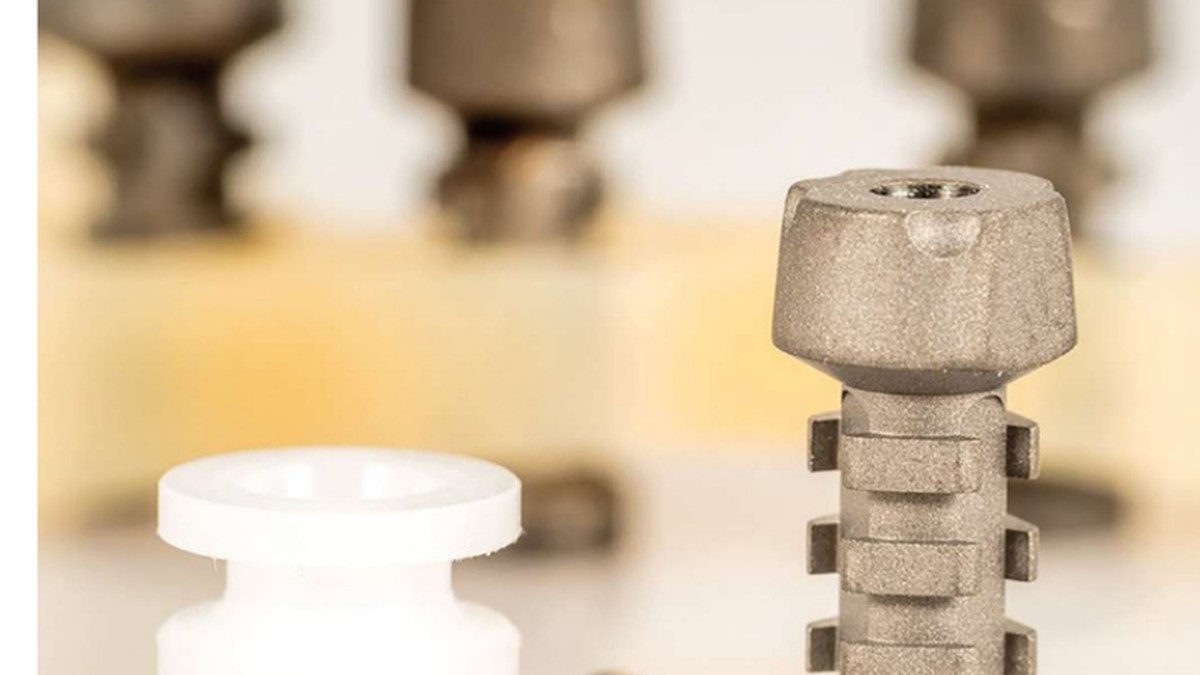
The rigid structure created a more continuous scanning path for PrimeScan and was intended to reduce scan interruptions and the subsequent stitching of fragments.
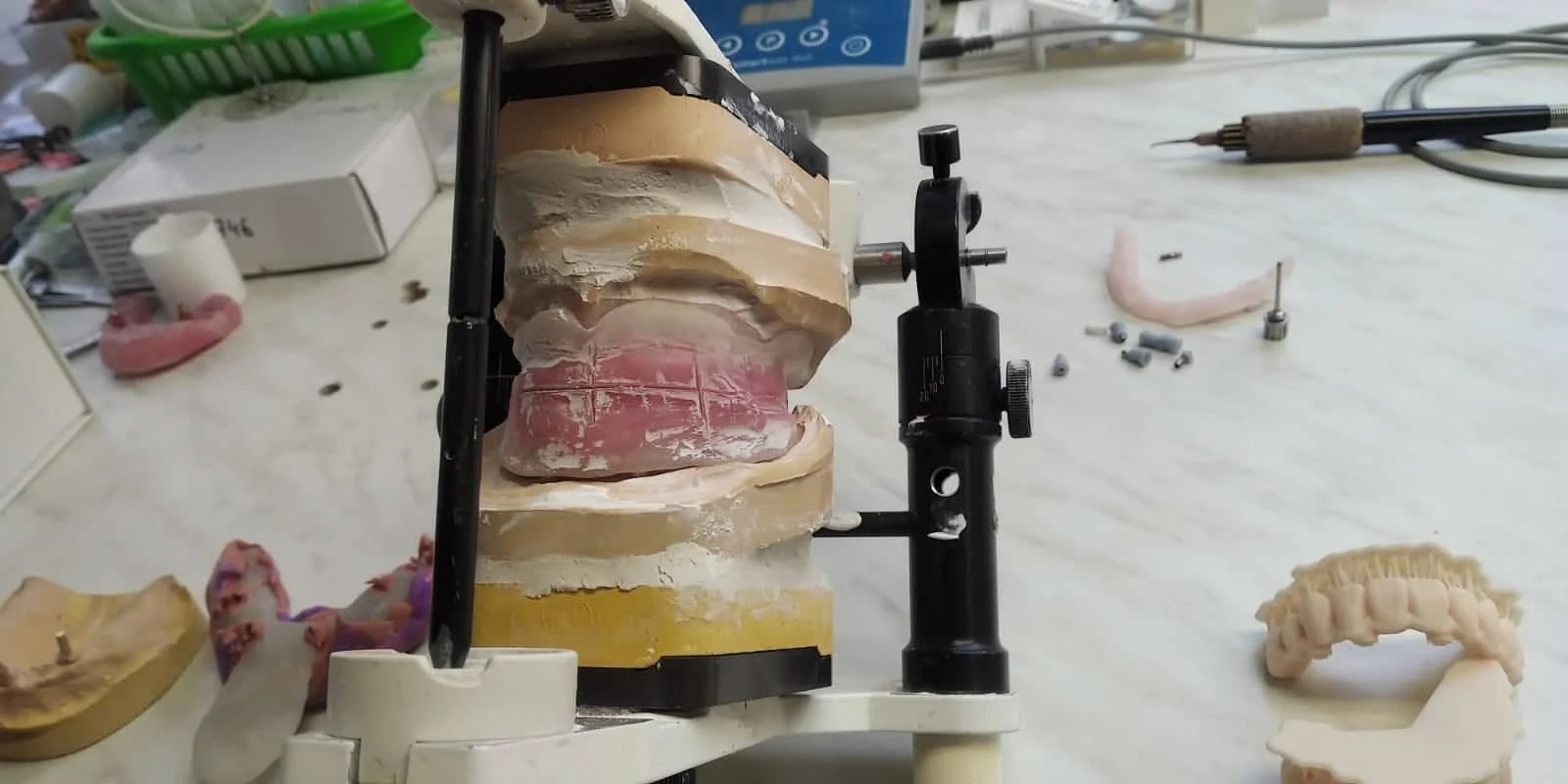
After the rigid assembly was transferred to the laboratory, a plaster verification key/model was created and the scan was repeated extraorally as an independent check of the positions.
The authors did not need it in this case because access and mouth opening allowed reliable intraoral acquisition.
The edentulous patient was planned in Implant 3D, surgery was performed using Stackable Guides, and five implants were placed.
With delayed loading, a model derived from the surgical plan was used to verify aesthetics, mastication and vertical dimension.
A laboratory-milled PMMA arch rigidly connected the Scan Transfer references. The authors scanned it with PrimeScan along a continuous path without intentional interruption.
After physical delivery of the rigid assembly, a plaster verification key/model was created. The scan was repeated in the laboratory and any small discrepancies were corrected according to the laboratory-verified positions.
After implant positions were confirmed, the titanium framework was designed and milled, followed by functional and clinical validation.
If both acquisition and its “verification” arise within the same chain and by the same method, a systematic error can survive. De|Bug adds a physical verification channel; ScanLogiQ now addresses a similar problem by another route, through repeated independent acquisitions and software evaluation of consistency.
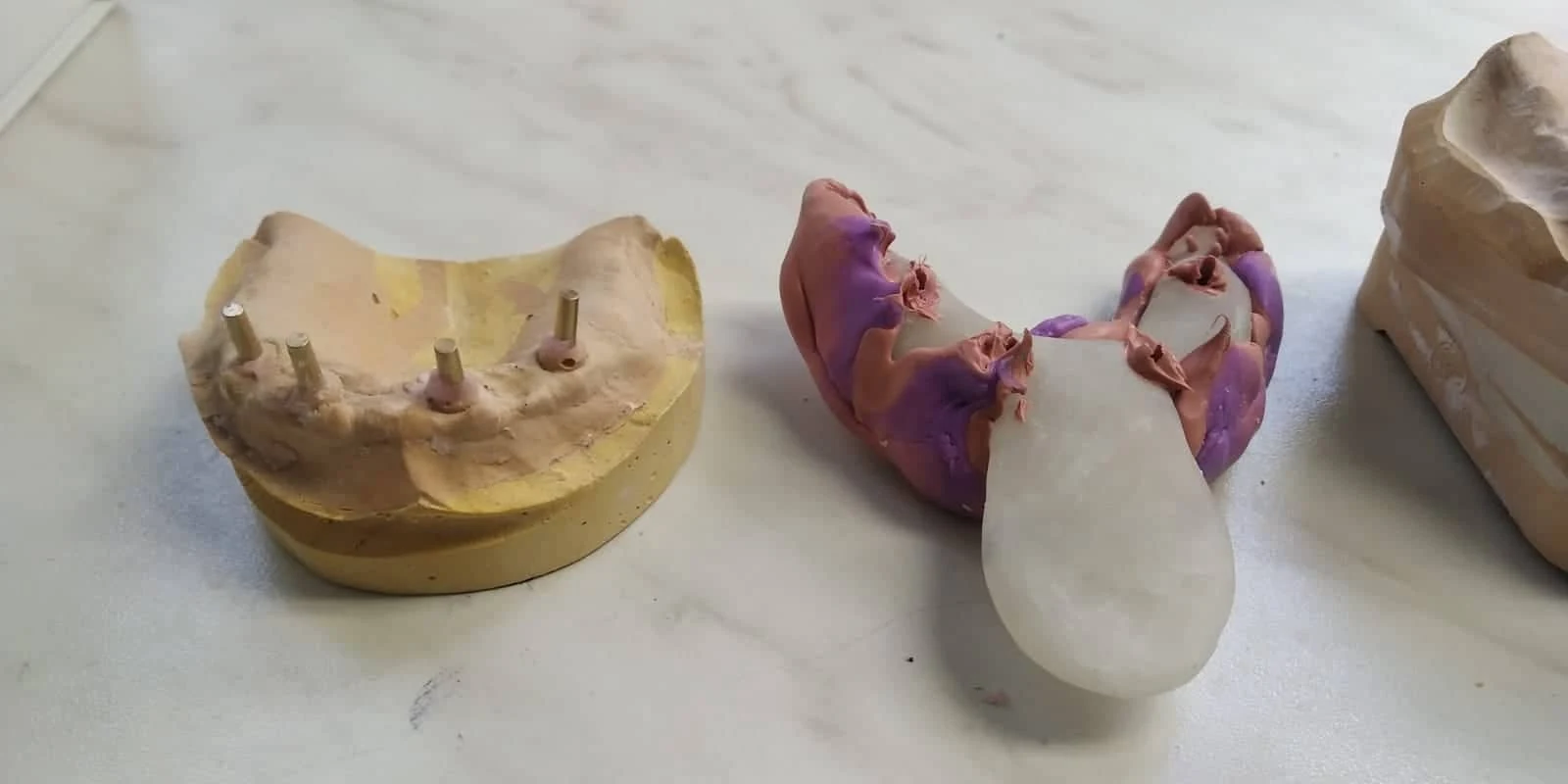
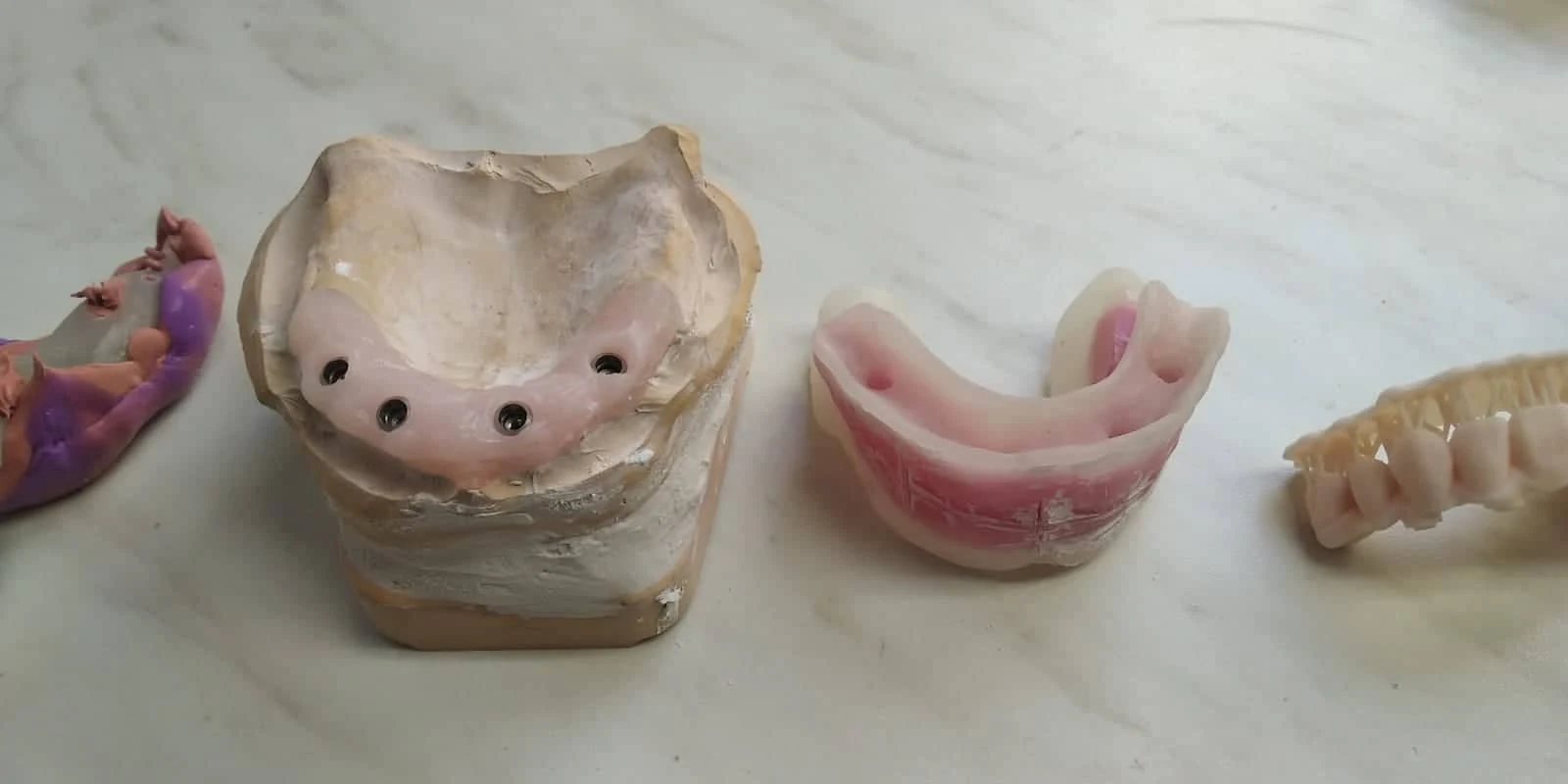
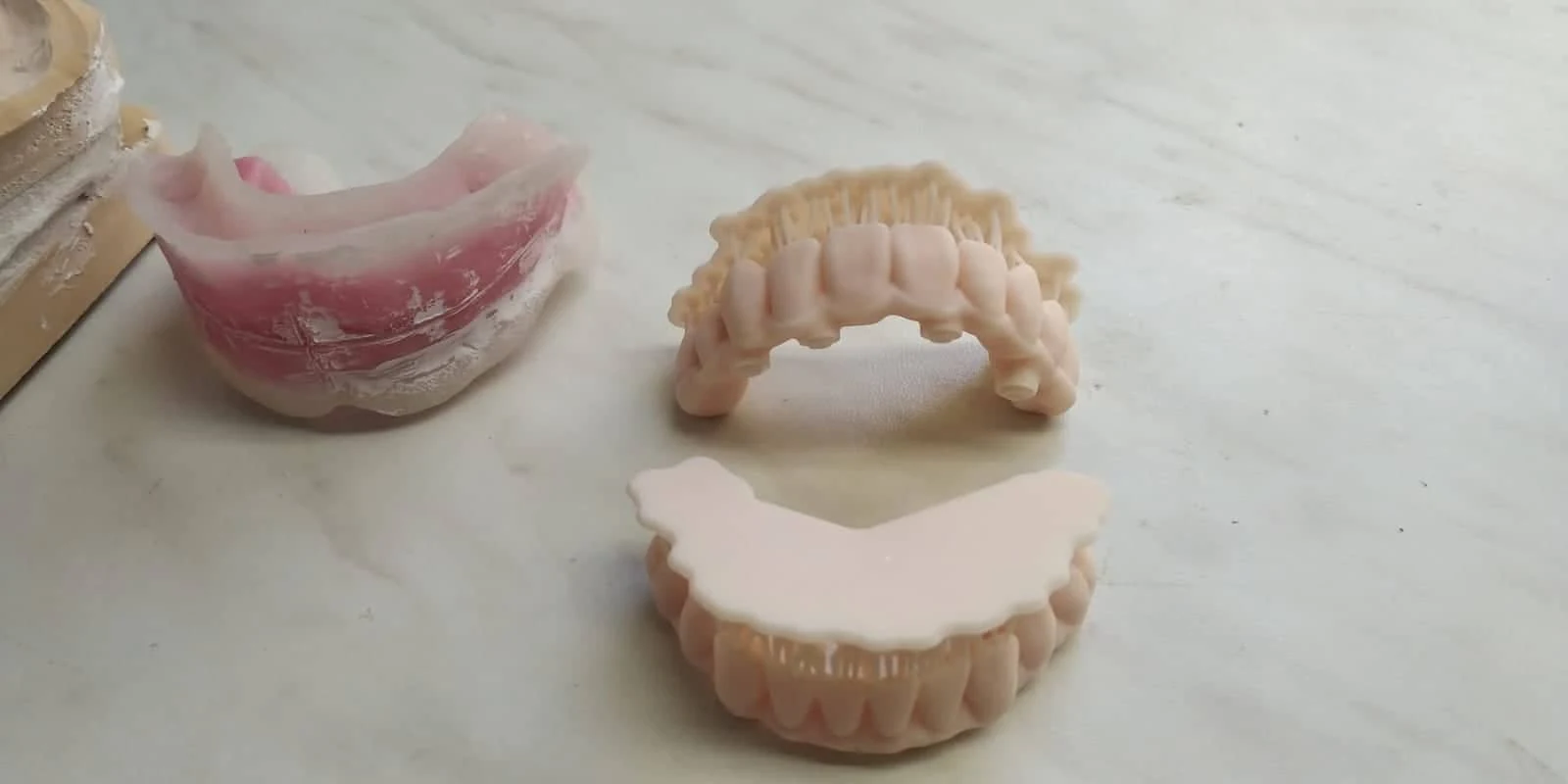
Francesco Polito, Nicola Palladino. The source document describes the multidimensional nature of intraoral-scan errors, Scan Transfer and the clinical use of the CSS|Strategy, De|Bug and Re|Scan protocols.