
What the original statement says
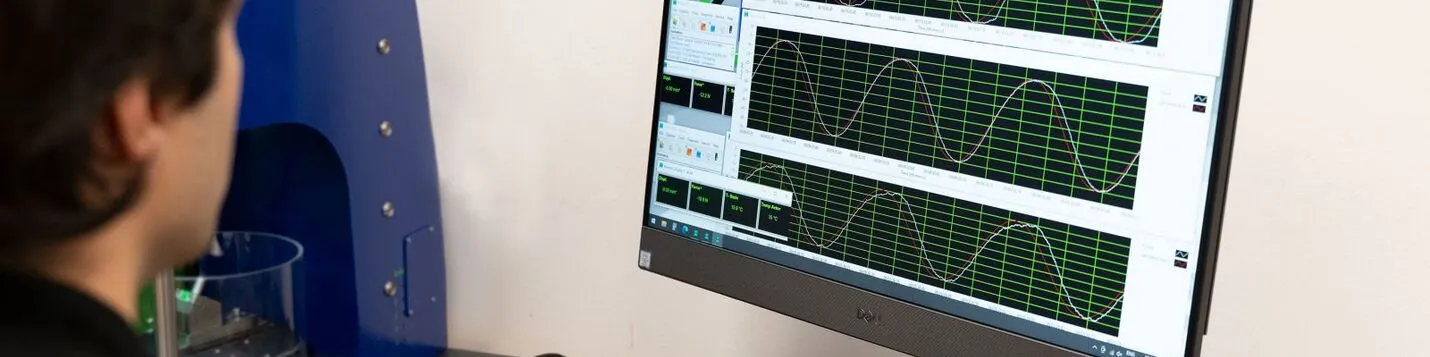
IPD highlights advanced manufacturing technology, ongoing geometric controls and collaboration between its engineers, clinicians and scientists. The short promotional statement contains neither numerical tolerance measurements nor a comparative clinical study.
1. Manufacturing and measurable geometry
In implant prosthodontics the nominal appearance of a component is not enough. The geometry of its connection, seating surfaces and retention features must be checked against the correct technical specification and product reference. A product photograph alone cannot establish fit.
2. Moving from geometry to digital data
The physical scanbody or scan abutment must be seated correctly and matched to its designated CAD library. Implant-level, Multi-unit-level and Ti-base workflows use different references. Superficial similarity of components is no proof that their interfaces are interchangeable.
3. Design and downstream manufacturing
Depending on the indication, the workflow may involve CAD design, prosthesis manufacturing, a 3D-printed model and digital analogues. Crown versus bridge interfaces, TECH/LITE libraries, angled screw-access options and CAM strategies are specific to the case and components used.
4. Checkpoints between clinic and laboratory
Before manufacturing, verify the implant system, correct scanbody seating, the selected library and the planned restoration. Decide how the final fit will be checked physically. Digital continuity improves communication, but does not replace clinical verification of the final restoration.
Evidence boundary
The original source is a portfolio introduction, not a metrology report. The workflow examples are editorial links to existing IPD / Exklusiv Dent topics, not measured outcomes reported by that source.
Source: “Discover our range of digital solutions” (IPD statement). Workflow topics are expanded using existing Exklusiv Dent technical pages.