
Exclusive IPD distributor for the Czech and Slovak RepublicsOriginal components · CAD/CAM libraries · technical support+420 604 483 343obchod@exklusiv-dent.cz
TiO₂ anatase

TiO₂ anatase and titanium-surface properties

Why is it important to distinguish the material, oxide layer and oxide phase when discussing titanium surfaces?

Technical principles and biomechanics Category 2 English technical abstract
TiO₂ anatase and titanium-surface properties
TiO₂ anatase and titanium surface properties.

English technical abstract

This technical article explains TiO₂ anatase, one of the crystalline forms of titanium dioxide. On titanium implant-prosthetic components, the surface is not simply a smooth metallic plane. It includes an oxide layer whose chemistry and topography can influence how the material interacts with its environment.

For the website, the article is best treated as a materials explainer. It helps show that titanium surface properties are not marketing magic, but the result of material science, manufacturing, cleaning and the biological environment.

TiO₂anatasetitaniumsurfacematerials

What the article covers and how to read it

Oxide layerTitanium forms an oxide layer at its surface, which significantly influences its behaviour in the biological environment.
AnataseAnatase is one form of TiO₂ and is frequently associated with specific surface properties in materials literature.
Laboratory observationsMaterial properties must be distinguished from clinical outcomes. Many biological and mechanical factors lie between the two.
Explanatory roleThe article provides useful background for content on surfaces, TiN*/ZrN* and biological response.

Relevance for the laboratory, dental practice and technical support

  • When discussing surface treatments, it is important to distinguish chemistry, topography, colour, hardness and biological interpretation.
  • Materials articles help technicians and clinicians understand why not all titanium surfaces are equivalent.
  • Communication should remain cautious: material properties may support certain behaviours, but they are not in themselves a guarantee of clinical performance.

Limitations and cautious interpretation

This is an explanatory materials study. Clinical conclusions should not be drawn from it in isolation without considering the specific product, surface, indication and patient.

Original source article

Original title: TiO2 Anatase: What You Should Know But It’s Not Always Explained

Download the original PDF

The source document remains available so readers can verify the original wording, methodology and results.

PDF

Related IPD pages and workflows

Glossary of abbreviations and specialist terms

An asterisk next to a term in the text refers to its explanation below.

TiN
TiN means titanium nitride, a hard gold-coloured coating used on selected prosthetic components.
ZrN
ZrN means zirconium nitride, a hard ceramic coating investigated for titanium abutments.
TiO₂
TiO₂ is titanium dioxide, the natural oxide layer associated with titanium-surface behaviour.
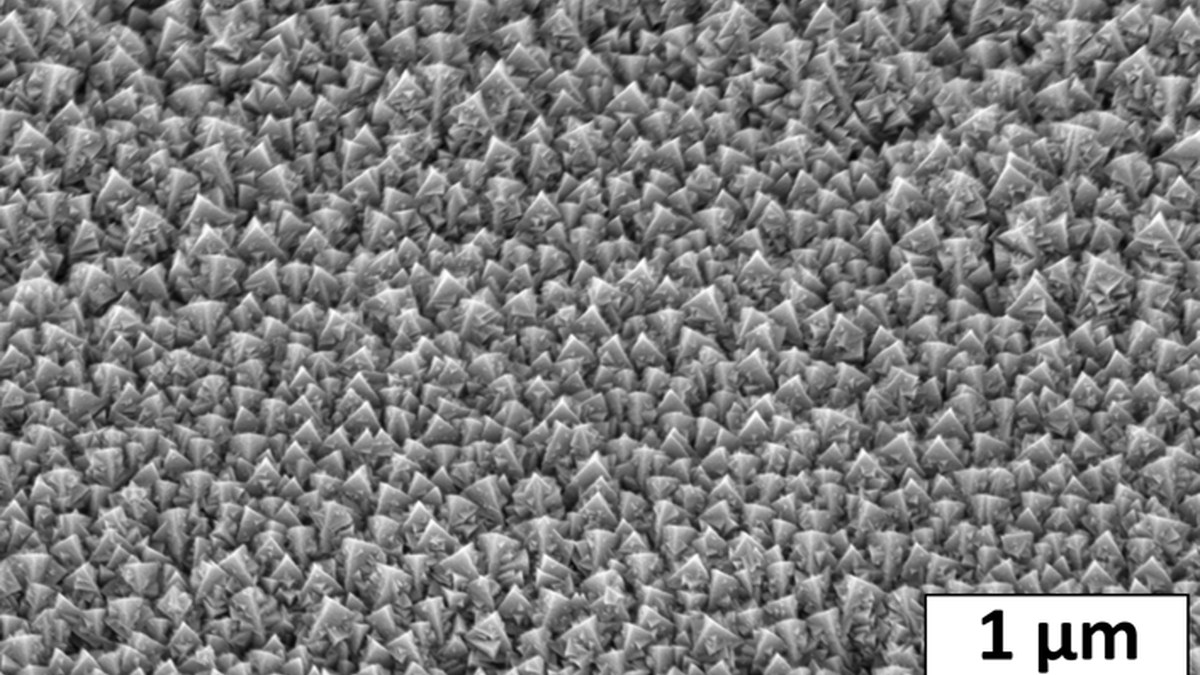
Original PDF: TiO₂ Anatase: What You Should Know But It’s Not Always Explained
Original PDF: TiO₂ Anatase: What You Should Know But It’s Not Always Explained. Images are taken from the accompanying source document.
The source document is included with this version of the website.
This English page is an editorial professional adaptation. The original PDF can be opened to verify wording, images and context.

Open the original PDF
e-dent logo

I am a healthcare professional within the meaning of Section 2a of Czech Act No. 40/1995 Coll., on the Regulation of Advertising. I confirm that I am authorised to access pages intended for healthcare professionals.